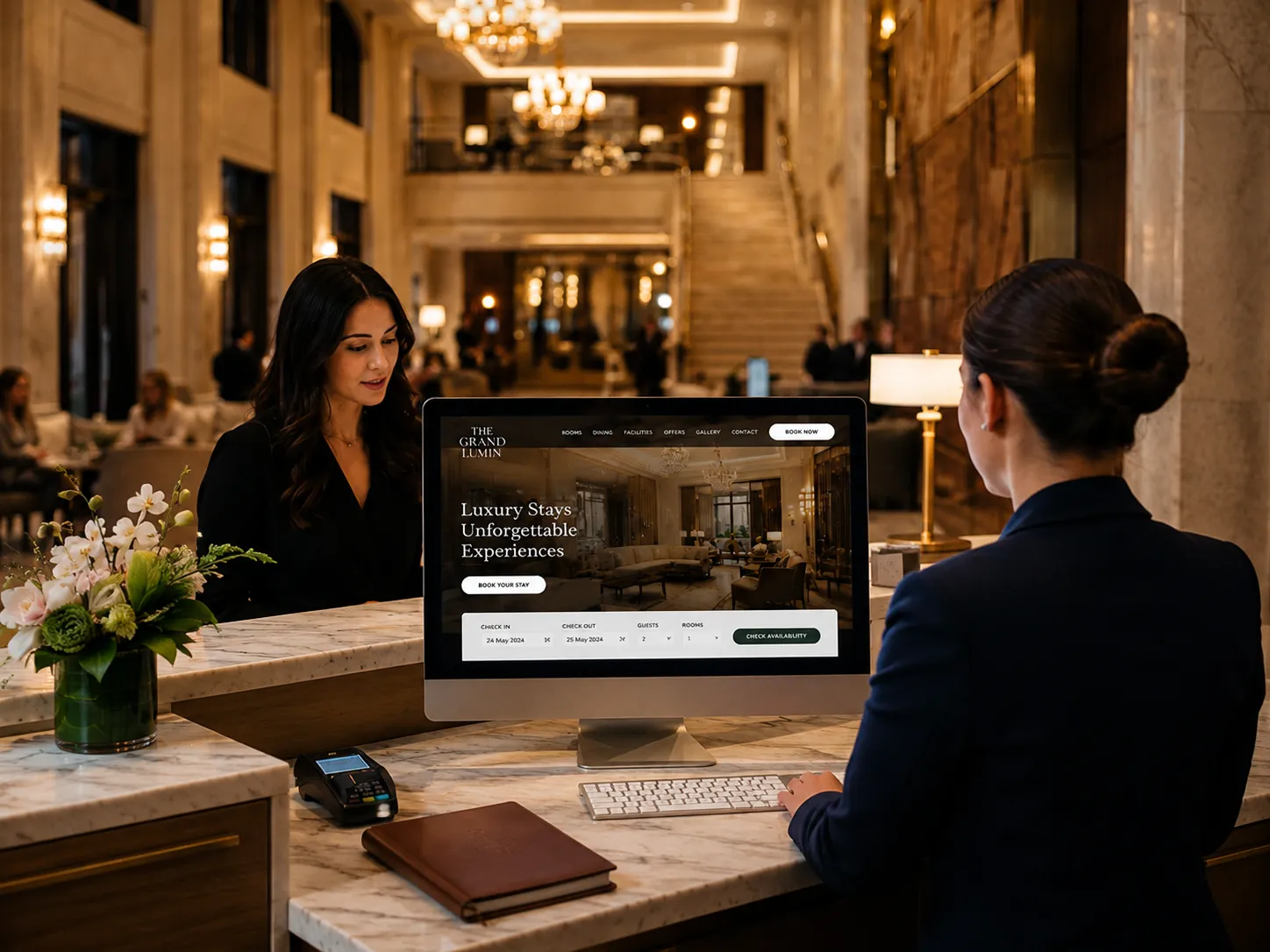
The travel industry is booming, but online travel agencies (OTAs) are eating your margins. Learn how to build a tourism website that captures direct bookings and ignites wanderlust.
Key Takeaways
- Visual Escapism: Travel is sold on emotion and scenery. Your website must be visually breathtaking, utilizing high-quality, fast-loading imagery and video.
- Complex Itinerary Displays: Don't force users to read a wall of text. Use interactive timelines and maps to visualize day-by-day tour itineraries.
- The Direct Booking Engine: Bypassing Expedia and Viator requires a seamless native checkout experience that handles complex pricing (adults, children, add-ons).
- Trust and Safety: Post-pandemic travelers look for flexible cancellation policies, clear safety protocols, and authentic customer reviews.
If you run a travel agency, a boutique tour company, or an adventure sports outfit, you are selling an experience. However, the travel industry is dominated by massive aggregators (OTAs) like Tripadvisor, Viator, and Expedia.
While these platforms provide exposure, they take massive commissions. To build a sustainable, profitable tourism business, your website must be capable of convincing a user to book directly with you.
1. Selling the Dream (Visually)
A travel website must ignite a sense of wanderlust instantly. This requires large, immersive hero videos—perhaps drone footage of a safari, a sweeping view of the Alps, or a bustling local market.
2. Interactive Itineraries
Selling a multi-day tour is complex. A simple bulleted list is boring and hard to digest. Instead, UI design must step in to make the data compelling.
By chunking information into interactive, expanding components, you keep the user engaged without overwhelming them with text.
3. The Complex Booking Engine
Booking a tour is not like buying a t-shirt. Your checkout flow must handle variable pricing (adults vs. children), date selection based on live availability, optional add-ons (e.g., "Add a hot air balloon ride for $150"), and deposit payments.
A custom Next.js frontend connected to a specialized travel API (like Rezdy or FareHarbor) ensures a native, branded checkout experience that doesn't bounce the user to a confusing third-party portal.
Ready to bypass the OTAs?
See how our custom web design solutions drive direct bookings for the travel industry.
Conclusion: Your Digital Passport
Your website is the starting point of your customer's journey. By investing in stunning aesthetics and frictionless booking technology, you establish the trust necessary to convince travelers to hand over their vacation time and their money directly to you.
Ready to build your digital ecosystem?
Let's talk strategy. We design and engineer premium platforms for industry leaders.
Start Project Discovery