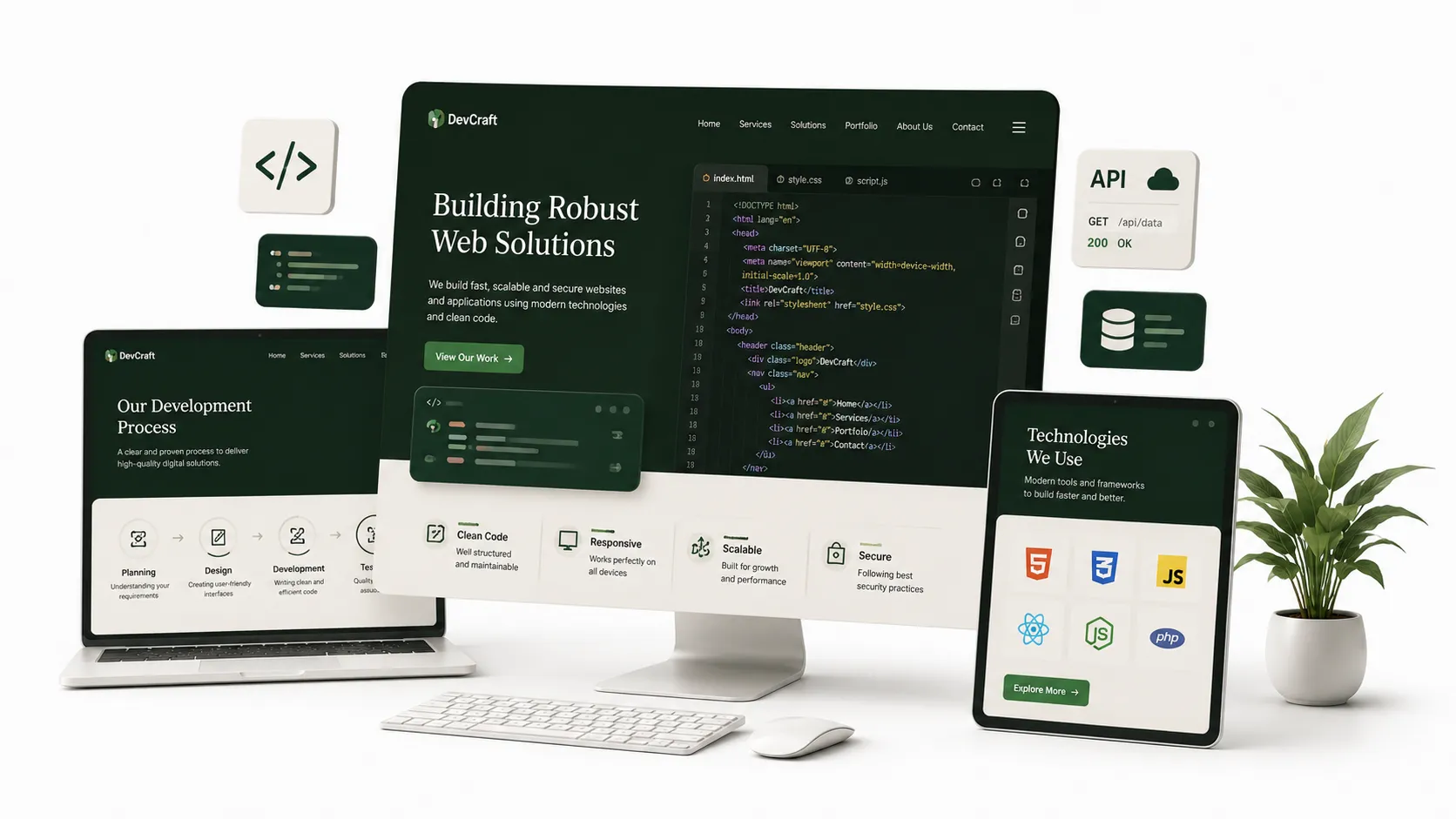
Choosing the right rendering architecture is the most consequential technical decision in modern frontend web development. Pick the wrong model, and you either end up with multi-second server latency that kills your SEO rankings, or astronomical cloud hosting bills from running Node.js servers 24/7. In 2026, frontend architects choose between three primary rendering paradigms: Static Site Generation (SSG), Server-Side Rendering (SSR), and Incremental Static Regeneration (ISR). Here is the comprehensive architectural comparison.
Key Takeaways
- Static Site Generation (SSG): Pages are pre-compiled into static HTML at build time. Delivers the absolute fastest Time-to-First-Byte (sub-50ms TTFB via Edge CDN) and zero database load. Best for marketing sites, documentation, and content blogs.
- Server-Side Rendering (SSR): HTML is dynamically generated on a cloud server for every incoming HTTP request. Necessary for private user dashboards, live stock trading screens, or geo-restricted authenticated state.
- Incremental Static Regeneration (ISR): Combines static speed with dynamic updates by re-compiling individual static pages in the background when stale, without rebuilding the entire project. Best for massive e-commerce catalogs (50,000+ SKUs).
- The Hybrid Reality: High-performance modern applications do not use one model exclusively; they serve public discovery pages via SSG and hydrate authenticated user workflows via client-side React APIs.
- Webeta's Rendering Standard: We engineer hybrid architectures: static pre-rendering on Netlify Edge CDN for sub-second public discovery, paired with Python Django REST for secure private workloads.
The Three Rendering Paradigms Compared
To understand the trade-offs, look at where and when the HTML string is constructed:
| Architectural Metric | Static Site Generation (SSG) | Server-Side Rendering (SSR) | Incremental Regeneration (ISR) |
|---|---|---|---|
| When HTML is Generated | At Build Time (`npm run build`) | On Every Single User Request | At Build Time + Revalidated in Background |
| Time to First Byte (TTFB) | 20ms – 60ms (Global Edge CDN Cache) | 300ms – 1,200ms (Database & Server Compute) | 20ms – 60ms (Cached until revalidated) |
| Server Hosting Cost | Virtually $0 (Static Edge storage) | High (Always-on Node/Lambda compute) | Low to Moderate (Serverless revalidation) |
| Database Scalability Risk | Zero database hits during user visits | High (Database queried on every page load) | Low (Database queried only during revalidation) |
When to Use Static Site Generation (SSG)
SSG is the optimal choice for:
- Corporate agency websites, portfolios, and marketing homepages.
- Content blogs, news publications, and industry resource libraries.
- Documentation portals, FAQ hubs, and terms of service pages.
At Webeta, we pre-render all public routes using an automated `prerender.js` script during Vite compilation. When a user requests `/services` or `/faq`, Netlify immediately serves pre-compiled HTML in 30ms, followed by seamless React hydration for instant interactive routing.
When Server-Side Rendering (SSR) Is Truly Mandatory
Do not use SSR just because it is trendy. SSR is appropriate only when content must be customized to the requesting user before the initial byte is dispatched:
- Authenticated dashboards where the first HTML screen requires private account data.
- Dynamic user-generated feeds that change every second (e.g. Twitter/X timeline).
- Strict IP-based geofencing or currency conversion that cannot be handled at the Edge.
Not sure which rendering architecture fits your product roadmap?
Our engineering team specializes in scalable web architectures.
Conclusion
The most elegant architecture is the simplest one that achieves your performance and business goals. By utilizing static pre-rendering for public discovery and delegating dynamic state to client-side API hydration, you achieve sub-second page loads, ironclad security, and near-zero hosting bills.
Ready to build your digital ecosystem?
Let's talk strategy. We design and engineer premium platforms for industry leaders.
Start Project DiscoveryReady to build your digital ecosystem?
Let's talk strategy. We design and engineer premium platforms for industry leaders.
Start Project Discovery