Stop paying 30% commissions to third-party delivery apps. Learn how to engineer a restaurant website that drives direct orders, secures reservations, and turns visitors into regulars.
Key Takeaways
- Own Your Audience: Relying solely on UberEats or DoorDash eats your margins and hides your customer data. You need a direct-ordering ecosystem.
- Mobile-First is Mandatory: Over 80% of restaurant searches happen on mobile devices. If your menu is a PDF that users have to pinch to zoom, they will bounce.
- Visual Appetite: High-end food photography combined with micro-animations triggers psychological hunger cues and increases average order value (AOV).
- Local SEO Architecture: Your site must be technically optimized with Schema markup to capture "near me" dining searches on Google.
The restaurant industry operates on razor-thin margins. Yet, thousands of restaurant owners willingly hand over 20% to 30% of their revenue to third-party delivery apps. They do this because they believe they lack the technical capability to build their own online ordering system.
In 2026, having a beautiful website isn't just about showing off your dining room—it's about wresting control of your margins back from the aggregators. Here is the ultimate blueprint for designing a high-converting restaurant website.
1. The Death of the PDF Menu
The single biggest mistake restaurants make is uploading their physical menu as a PDF. Why is this a problem?
- Terrible UX: Mobile users have to download a file, pinch, and zoom just to see the prices.
- Zero SEO Value: Google cannot read the text inside an image or a flattened PDF. If someone searches for "best truffle pasta near me," Google won't know you serve it.
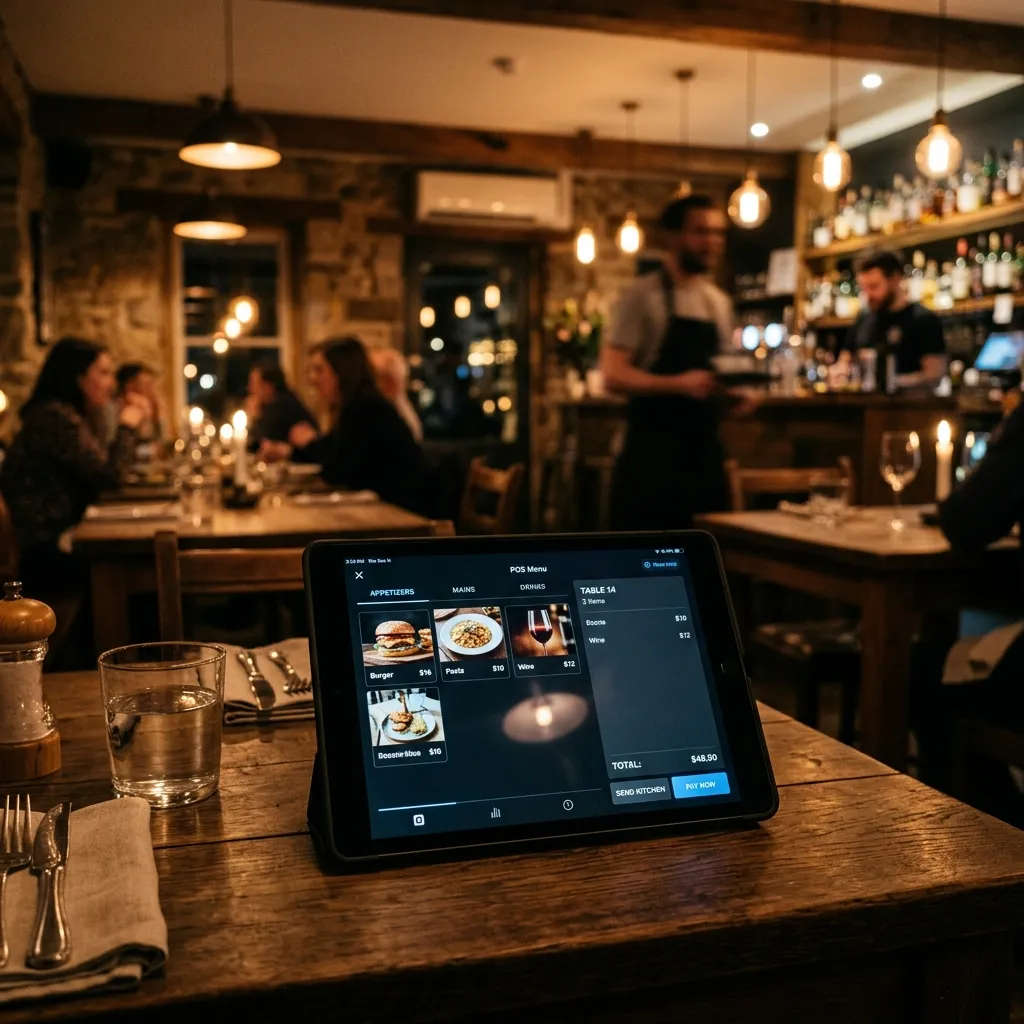
- No E-commerce Integration: A PDF cannot connect to a shopping cart or a POS system.
2. Direct Ordering & Reservation Systems
Your website must act as your best front-of-house employee. By integrating a seamless, commission-free ordering system, you immediately increase your net profit.
Furthermore, when a customer orders directly through your site, you capture their email address and phone number. You can now run zero-cost SMS marketing campaigns ("Slow Tuesday? Get a free appetizer with any entree tonight!") that drive immediate foot traffic. When they order through UberEats, Uber keeps that customer data.
Want to see this in action?
Explore our interactive Restaurant industry showcase to see how we build high-converting food platforms.
3. The Psychology of "Visual Appetite"
We eat with our eyes first. A premium restaurant website relies heavily on large, high-resolution imagery and video backgrounds. But this creates a technical challenge: large files slow down websites.
This is where custom engineering outshines generic templates. By using Next.js Image Optimization and modern formats (like WebP), we can serve stunning, full-screen video loops of a steak sizzling or wine being poured, without sacrificing page load speed.
4. Local SEO and Schema Markup
When someone types "Italian restaurant near me," Google relies on structured data to decide who ranks first. We inject specific Restaurant Schema markup into the code of your website, explicitly telling Google your operating hours, menu items, price range, and reservation links.
Conclusion: Reclaiming Your Margins
A template website with a PDF menu is an expense. A custom-engineered platform with direct ordering, fast load times, and local SEO is a profit center. If you are ready to stop giving away 30% of your revenue and start owning your customer relationships, it's time to upgrade your digital dining experience.
Ready to build your digital ecosystem?
Let's talk strategy. We design and engineer premium platforms for industry leaders.
Start Project Discovery